.png?width=298&height=55&name=nuffield-medical-logo-new%20(1).png)


A health screening package in Singapore can help you check your body to determine whether it's already developing some form of medical illness. The recommended health screenings may include blood tests, urine tests, imaging, and physical tests that offer insight into the state of your body. What health screenings are suitable for you depends on various factors like your age, gender, family medical history, lifestyle practices and pre-existing medical conditions. Through regular health screenings, your health status can be detected early to allow timely and appropriate medical interventions if needed.
What Is Health Screening?

Health screening involves the use of a range of tests that can help to monitor the overall state of a person's body and check for the presence of disease conditions. Unlike diagnostic tests that check for signs of the existing condition, a health screening checks to find potential indicators when a person is feeling fine. The health screening could detect health conditions such as diabetes, high blood pressure, high cholesterol, liver, kidney or even cancer. Health screenings can identify certain diseases at the earliest stages, so that they can be monitored with the help of healthcare advisors and discuss ways to manage your condition according to your profile.
Why Is Regular Health Screening Necessary?
A lot of health conditions develop slowly and without visible symptoms. Conditions such as high cholesterol, high blood pressure, or type 2 diabetes could be silently destroying your health for years before complications set in. A health screening can help to identify any possible risk factors before these health problems escalate. Regular health screening serves as a reference in identifying any changes in your body, such as when a change may occur that indicates a need for a change in diet or the need for a medical intervention.
Who Needs to Get a Health Screening?

Health screening is suitable for people of all ages, although the required health screening tests might vary due to different individual risk factors. Those with existing risk factors, such as a high family medical history of disease, current smokers, who are overweight or obese, and have sedentary lifestyles, should go for screening tests. This is due to the fact that at certain ages, the probability of one developing a certain disease can be high. However, your medical doctor would be the person to recommend the suitable tests you need based on your past medical conditions and existing risk factors.
Common Health Screening Tests
Health screening packages might include a range of tests. Some screening tests would look for potential general conditions, whereas some screening programs will look for the presence of diseases related to specific genders and age groups.
| Test Name | Screening For: |
|---|---|
| Blood Pressure | Cardiovascular risk |
| Blood Glucose Test | Diabetes and pre-diabetes |
| Cholesterol Profile | Lipid and Heart Health |
| Full Blood Count | Blood cell levels and abnormalities |
| Liver Function Test | Liver Health |
| Kidney Function Test | Kidney Performance |
| Urine Analysis | Kidney-related problems and the urinary tract |
| Electrocardiogram (ECG) | Heart rhythm and its electrical activity |
| Chest X-Ray | Lungs and chest-related problems |
How to Choose an Appropriate Health Screening Package
Choosing the correct screening package would really depend on individual factors like your current age, existing medical conditions and health concerns. A younger and fit individual may have different screening results compared to someone who is suffering from multiple chronic conditions. Some screening programs are more about general body checkups, while others are targeted for cardiovascular disorders, metabolic syndrome or cancer diagnosis. One needs to understand what these tests look for in order to find one suitable for themselves.
How to Prepare for the Health Screening
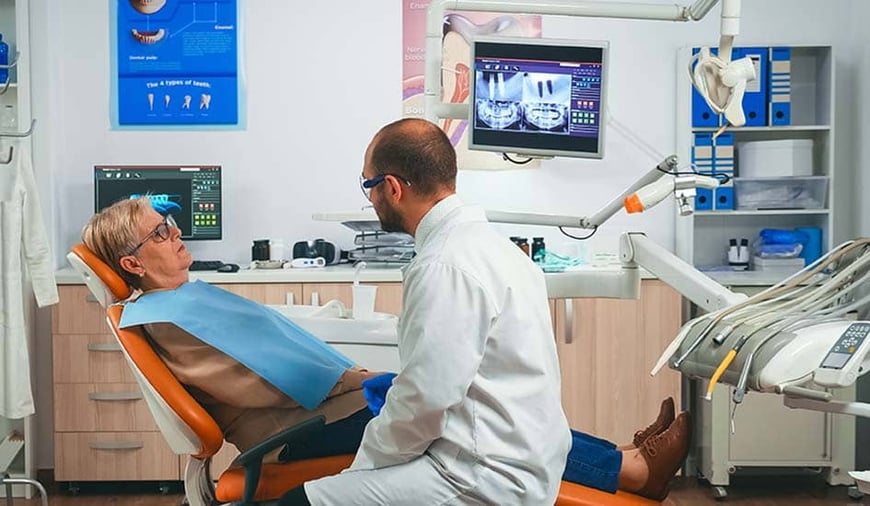
Some tests might require fasting for a number of hours before a health screening. Some require an appointment at a certain time and date, as the case may be. One should prepare themselves with a list of medications they are taking at the time, previous illnesses they have suffered, and their medical family history. It is recommended to wear comfortable clothes so that the medical examinations will not be inconvenient.
Interpretation of Your Health Screening Results
An indication of an issue in a specific component of a health screening report does not necessarily confirm that there is indeed some form of illness occurring in your body. The interpretation of these tests and follow-up actions will depend on how each result correlates to your overall health and medical background, and will be advised by the doctor.
When Should Health Screening Be Done?
Health screening should be conducted regularly, depending on one's age, risk factors and prior medical examinations. Certain individuals will need to be screened annually, others more or less frequently. Those who currently possess certain conditions and have a medical family history of serious disease should consider regular check-ups. It should always depend on individual preferences.
Key Points to Remember
- Health screening is about finding out potential risks.
- Different health screening packages have different health tests within them.
- Health screening has specific tests recommended based on your individual background.
- Potential risks could be detected early with suitable screening, which could help with earlier medical attention and monitoring.
- Only the doctor can provide you with the correct understanding of the health screening results and possible medical interventions needed.
- Regular check-ups could highlight and detect any recent changes in your health.
Conclusion
Choosing a health screening package in Singapore is a form of taking care of oneself by proactively addressing and mitigating potential medical issues. Based on your age, lifestyle and medical background, different screening packages would comprise varying types and a range of tests. Ultimately, understanding what health screening is about and determining the screening plan suitable for you will help you to make informed choices for your present and future well-being.