.png?width=298&height=55&name=nuffield-medical-logo-new%20(1).png)


An iron infusion during pregnancy might be an option if iron levels are still low despite iron tablets, or if the iron tablets are not well tolerated by the mother. The pregnant body requires more iron, so some pregnant women may develop iron deficiency or iron deficiency anaemia during pregnancy. In some cases, an iron infusion might be suggested to correct and increase the iron levels of the expectant mother. It is important to understand the procedure of iron infusion and also the associated benefits and any relevant concerns.
Meaning Of Iron Deficiency During Pregnancy

Iron deficiency during pregnancy occurs if the iron stores in the body become too low to satisfy the increasing need from both the pregnant woman and the unborn baby. The element iron is crucial for producing the haemoglobin that enables the body to carry oxygen. The increase in blood volume during pregnancy causes a higher demand for iron. Lack of iron in the body results in fatigue and weariness, headaches and giddiness, poor concentration, shortness of breath and paleness of skin. It can also progress to iron deficiency anaemia during pregnancy.
When An Iron Infusion May Be Recommended During Pregnancy
Iron infusion may be considered if oral iron supplements don't restore iron levels adequately or are poorly tolerated. Side effects from oral iron treatment may cause sickness, constipation, or abdominal discomfort in the woman taking them. Or the pregnant woman might need the iron stores to be restored as soon as possible when iron deficiency anaemia is diagnosed during pregnancy. When tests have revealed anaemia in the pregnant woman, she might be advised to have an infusion by her clinician according to the stage of the pregnancy, the extent of the anaemia, and her general health and lifestyle.
The Procedure Of Iron Infusion During Pregnancy
Iron is supplied intravenously directly into the bloodstream via an intravenous line. Rather than relying on oral iron supplements and the gut to absorb iron, this way the iron bypasses the digestive system. This will be useful when the body does not absorb the iron from oral supplements very efficiently or when the body cannot take the supplements because of side effects. The treatment takes place at the hospital, where the expectant mother can be observed during the whole treatment time. The speed of treatment may differ depending on the iron preparation used and how much iron is needed by the woman.
What Happens At The Time Of An Iron Infusion
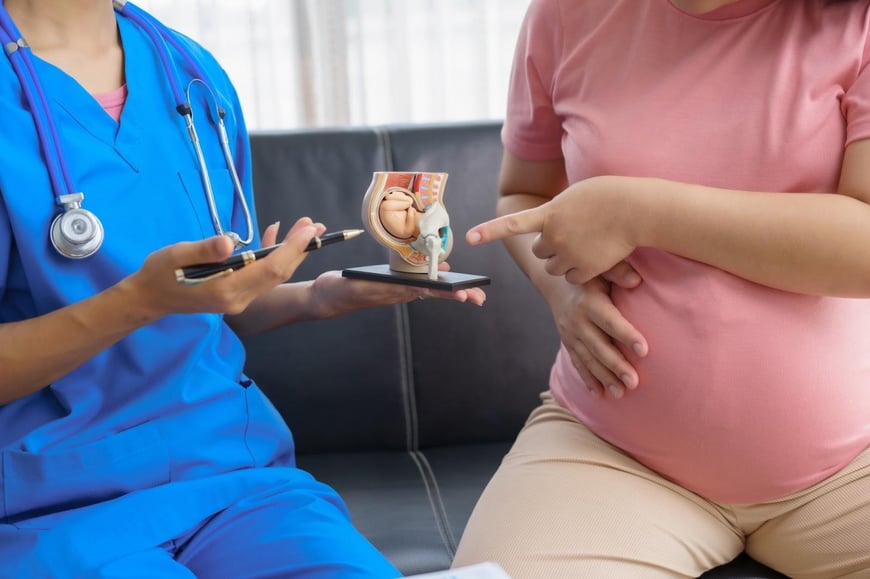
Before starting an iron infusion, a healthcare advisor will go through the past and present medical and pregnancy history, symptoms and previous test results of the pregnant woman. An intravenous line will be inserted into a vein where the iron solution will be delivered slowly over a time period determined by the preparation used and the required dose. The woman may have to sit down or recline comfortably. Close monitoring of vital signs and potential symptoms will take place both during and after the infusion, and following the treatment, the woman will mostly return to her everyday activities.
Advantages Of Iron Infusion During Pregnancy
The advantage of an iron infusion during pregnancy is to restore the amount of iron stores that may have fallen critically low. When a pregnant woman is feeling fatigued and has less energy, when she feels dizzy, when she has difficulty being physically active and has low tolerance for exercise, the infusion may help overcome such issues. The reaction and level of improvement will vary from person to person. The main factor will be the degree of deficiency of iron, the general condition of the patient, and the stage of pregnancy. Frequent blood tests will verify the success of the treatment.
What To Look Out For When Having An Iron Infusion
As any treatment carries a small risk, pregnant women need to be aware of these potential side effects. Transient symptoms like nausea, dizziness, flushing, headache, muscle ache or an odd metallic taste will generally disappear on their own over the course of time. The majority of pregnant women will not experience any noticeable side effects at all, but a reaction could occur, and this must be promptly discussed with a healthcare provider.
Most Common Reasons
| Reasons For Treatment | What Could Be The Cause? | Potential Positive Outcome |
|---|---|---|
| Iron deficiency during pregnancy | Very low iron levels during pregnancy | Increase in iron level after treatment |
| Iron deficiency anaemia during pregnancy | low haemoglobin levels due to iron deficiency | increase in iron and haemoglobin levels after treatment |
| Non-response to iron tablets | Failure to significantly improve iron levels with oral iron supplementation | Alternative form of iron supplementation offered |
| Intolerance to iron tablets | Side effects and discomfort limit iron tablets usage | Iron is supplied to the body independently of the gut absorption |
| Increased body need for iron during pregnancy | Increased iron requirements during pregnancy | supplementation to meet an enhanced requirement |
| Difficulty in absorbing iron | Problems with iron absorption by the gut | iron provided to the body, bypassing the digestive system |
Preparing For the Appointment

Most instructions before an iron infusion appointment depend on the stage of pregnancy and your general health situation. Generally, patients are encouraged to mention any allergies, medical history and previous pregnancy, while all relevant blood results should be made available to them, to explain the rationale for this therapy.
Key Points to Remember
-
An iron infusion might be considered to raise low iron levels if tablets alone haven't worked.
- Pregnancy needs an increased amount of iron for both the expectant mother and the fetus; the blood iron levels may decrease, and a deficiency may arise.
- It is essential to be checked for iron deficiency by the medical advisor, and not rely on the assumption that the iron level is low.
- It is not suitable to receive iron infusions without a medical assessment during pregnancy, as it may cause problems for the mother and the baby if prescribed unnecessarily.
- Individual response to iron infusion will be variable, so more than one infusion might be required to ensure adequate iron levels for the pregnancy.
- Regular checks may be required after the iron infusion treatment has finished.
Conclusion
An iron infusion can be a beneficial treatment option when dealing with iron deficiency anaemia during pregnancy, when oral iron supplements fail to correct the deficiency or when oral intake is impossible to maintain for the expectant mother. This procedure is performed in a clinic setting. Iron is administered intravenously directly into the woman's body, hence improving her symptoms by replacing any deficits in her iron stores. When treatment is considered, the pregnant woman must discuss with her healthcare provider about the process and whether iron infusions are the appropriate treatment plan to enhance health during pregnancy.